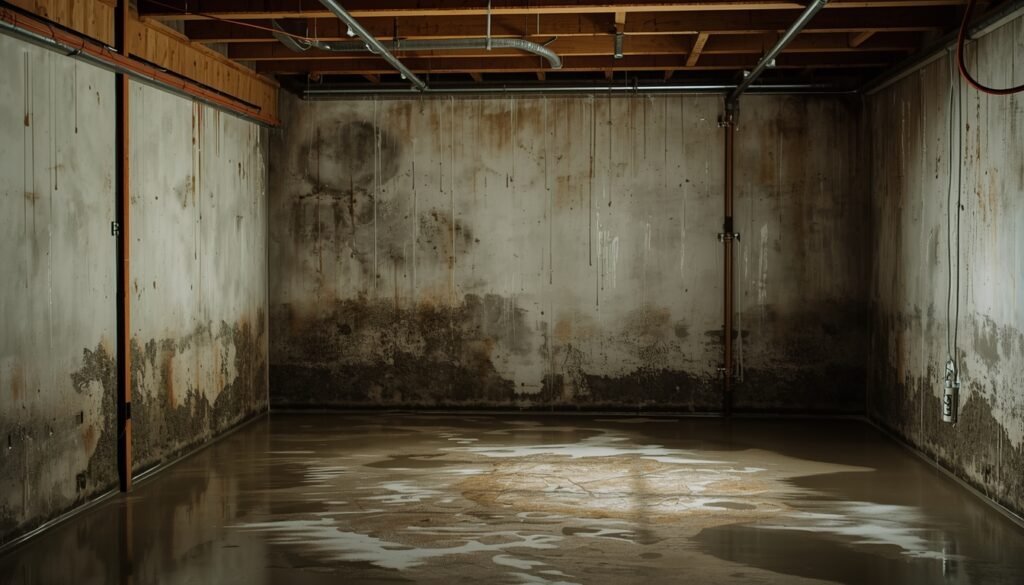
Failing to control humidity in a basement can lead to a range of problems that develop gradually over time. Many homeowners do not realise how important humidity control is until issues such as mold, odors, or damage begin to appear. In most homes, basements naturally hold more moisture than other areas, which makes them more vulnerable to these problems.
This article explains what happens when basement humidity is not controlled, how it affects your home, and what you can do to prevent long term damage. Understanding these risks helps you take action early and avoid more serious and costly issues later.
Uncontrolled basement humidity creates an environment where moisture related problems can develop and spread throughout the home. These problems often start small but can quickly become more serious if they are not addressed properly.
Why Humidity Becomes a Problem?
Humidity becomes a problem when moisture levels rise above what the space can handle. In most homes, this typically means levels above 50 percent. A common issue is that humidity builds up slowly, so the effects are not immediately obvious.
For example, a basement may feel slightly damp at first, but over time, this moisture begins to affect materials and air quality. This typically happens when there is limited airflow and ongoing exposure to moisture from surrounding soil.
Humidity can also fluctuate with the seasons. During warmer months, moisture levels tend to increase, which makes basements more prone to damp conditions if humidity is not controlled. In colder months, the air may feel drier, but moisture can still remain trapped in materials.
Effects of High Humidity
- Mold and mildew growth on walls, ceilings, and stored items
- Musty odors that spread throughout the home
- Damage to wood, fabric, cardboard, and other materials
- Increased risk of pests such as insects that thrive in damp environments
Many people find that these issues develop gradually, making them easy to ignore until they become more serious. For example, a slight odor may seem harmless at first, but it often indicates that moisture is already affecting the space.
Over time, these conditions can worsen and create an environment that is uncomfortable and potentially unhealthy.
How It Affects Your Home?
Humidity in the basement does not stay contained. Over time, it can affect the air quality in the entire home. A common issue is that musty smells travel upward, making other areas of the house feel less fresh.
In addition, moisture can weaken materials and contribute to long term structural issues. This typically happens when humidity remains high for extended periods without being addressed.
For example, wooden supports, flooring, or stored furniture may begin to deteriorate slowly. Even if the damage is not immediately visible, it can lead to costly repairs later. Many people find that ignoring humidity issues early results in more significant problems over time.
Key Factors That Make It Worse
- Poor ventilation that traps moisture inside the basement
- Ongoing moisture entering through walls and floors
- Seasonal increases in humidity, especially during warmer months
- Lack of monitoring or active humidity control
In most homes, these factors combine to create conditions where moisture problems continue to grow. Identifying these factors helps you take targeted action rather than guessing at solutions.
How to Prevent These Problems
- Use a dehumidifier to keep humidity between 30 and 50 percent
- Monitor humidity levels regularly with a hygrometer
- Improve airflow in the basement to reduce trapped moisture
- Address any moisture sources such as leaks or poor drainage
For example, many homeowners notice that once humidity is controlled, musty odors disappear and the basement becomes more comfortable to use. This also helps protect stored items and maintain the overall condition of the space.
In some cases, combining a dehumidifier with improved drainage or sealing can significantly improve results and prevent humidity from returning.
Common Mistakes
One common mistake is ignoring early signs of humidity problems, such as slight odors or a damp feeling in the air. Another is assuming that occasional dampness is normal and does not need to be addressed.
Some homeowners also rely on ventilation alone, which may not be enough to control moisture in humid conditions. Waiting too long to act can allow problems to develop further and become more difficult to fix.
Another mistake is using a dehumidifier inconsistently, which prevents it from maintaining stable humidity levels over time.
If you want a broader overview of how basement moisture, humidity levels, and dehumidifier use all fit together, see our Complete Guide to Basement Dehumidifiers.
Final Thoughts
Not controlling basement humidity can lead to a range of problems that affect both your basement and your home. While these issues often develop slowly, they can become serious if left untreated.
By understanding the risks and taking action early, you can prevent damage, improve air quality, and maintain a more comfortable environment. In most homes, consistent humidity control is one of the most important steps in protecting your basement over the long term and avoiding unnecessary repairs.