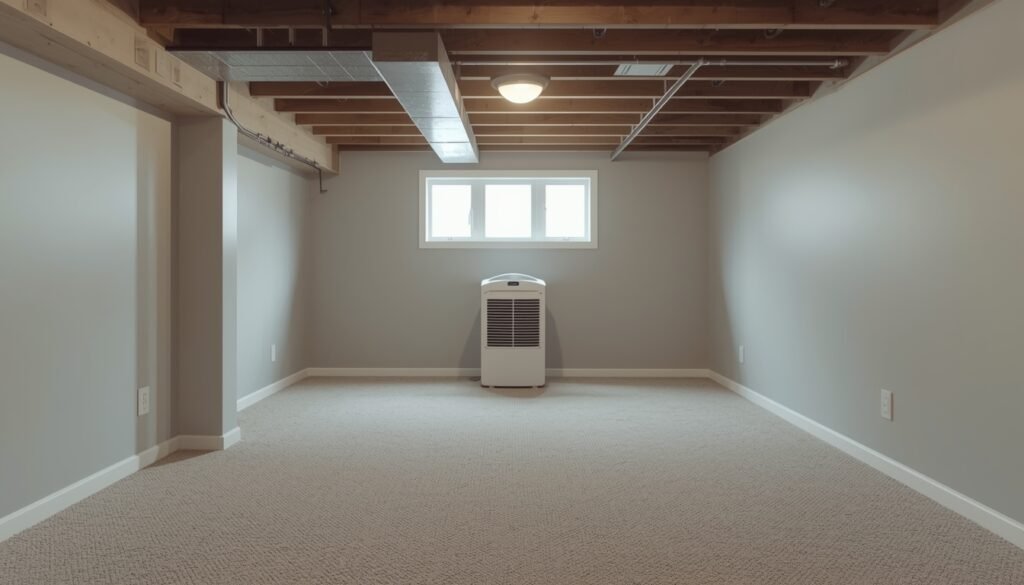
Basement humidity is one of the most common causes of damp smells, condensation, mold growth, and damage to stored items. In most homes, moisture builds up in the basement because the space sits below ground level, has limited airflow, and is surrounded by soil that retains water. A common issue is that homeowners notice the symptoms of excess moisture but are not always sure whether they need a dehumidifier, what size to buy, or how to use one properly.
This complete guide brings everything together in one place. It explains how basement humidity works, how to tell when moisture is becoming a problem, how dehumidifiers help, how to choose the right size and capacity, and how to set up the unit so it performs properly. If you are new to basement moisture control, this page is designed to give you a clear starting point and point you to the most useful guides on the site.
In simple terms, a basement dehumidifier removes excess moisture from the air so the space stays drier, more comfortable, and less likely to develop mold, odors, or material damage. The sections below walk through the topic step by step.
What Is Basement Humidity?
Basement humidity refers to the amount of moisture in the air inside the basement. In most homes, humidity becomes a problem when it rises above about 50 percent and stays there for extended periods. This typically happens when moisture enters through walls and floors, outdoor humidity creeps in, or the space has poor ventilation.
If you are trying to understand the basics first, start with these guides:
- What Is Basement Humidity and Why Does It Matter?
- Why Is My Basement Humid Even Without a Leak?
- What Happens If You Don’t Control Basement Humidity?
How Do You Know When Humidity Is Too High?
A common issue is that moisture problems often develop slowly rather than all at once. Many people find that a musty smell, a damp feeling in the air, or condensation on pipes appears before they ever see obvious water. Recognising those early signs is important because it lets you take action before mold or material damage becomes a bigger issue.
These guides will help you recognise the main warning signs and understand the ideal humidity range:
What Does a Basement Dehumidifier Actually Do?
A basement dehumidifier removes moisture from the air and helps maintain a stable humidity range, usually between 30 and 50 percent. In most homes, this makes the basement feel lighter, fresher, and more comfortable. It also reduces the conditions that allow mold, mildew, and musty odors to develop.
If you want to understand how dehumidifiers work and whether one is worth using in your basement, these guides cover the essentials:
- What Does a Basement Dehumidifier Do?
- How Does a Basement Dehumidifier Work?
- Do All Basements Need a Dehumidifier?
- Is a Basement Dehumidifier Worth It?
- Can a Dehumidifier Stop Mold in a Basement?
How Do You Choose the Right Dehumidifier?
Choosing the right dehumidifier is about more than buying the first unit you see. A common issue is picking a model that is too small for the moisture level in the basement. That usually leads to a unit that runs constantly without solving the problem. In most homes, the best choice depends on the size of the basement, how damp it is, and how often humidity rises during the year.
These guides explain size, capacity, and how to choose the right model for your space:
- What Size Dehumidifier Do You Need for a Basement?
- How to Choose the Right Basement Dehumidifier
- Should You Get a Small or Large Dehumidifier for a Basement?
- What Capacity Dehumidifier Is Best for Damp Basements?
Where Should You Place a Basement Dehumidifier?
Placement matters because the unit needs good airflow to pull in humid air and push drier air back into the room. This typically works best when the dehumidifier is placed in an open area rather than tucked into a corner or hidden behind storage. Many people find that simple placement changes noticeably improve performance.
This guide explains where to put the unit for the best results:
What Problems Can a Dehumidifier Help Prevent?
In most homes, a dehumidifier helps prevent several common basement problems. These include mold growth, musty odors, condensation, and damage to materials such as wood, cardboard, and fabric. A common issue is assuming the basement is fine if there is no visible leak, but humidity alone can still cause long-term issues if it is not managed.
- It reduces humidity so mold and mildew are less likely to grow.
- It helps remove the damp conditions that create musty smells.
- It protects stored items from absorbing moisture over time.
- It makes the basement more comfortable and usable throughout the year.
Keeping humidity under control is one of the simplest ways to prevent expensive moisture-related damage later.
How Should You Use This Site?
If you are starting from scratch, begin with the humidity basics and signs of excess moisture. Then move to the dehumidifier guides so you understand what the unit does and how it works. After that, focus on sizing, capacity, and placement so you can choose the right model and set it up properly. This sequence makes the topic much easier to understand and helps you avoid common mistakes.
- Start with the humidity and symptoms guides.
- Read the dehumidifier basics to understand what the unit does.
- Use the sizing and capacity guides before buying a unit.
- Finish with the placement guide so the unit performs properly after setup.
Following that order gives you a full understanding of both the problem and the solution.
Final Thoughts
Basement moisture problems are common, but they are also manageable when you understand what is happening. In most homes, the key is recognising high humidity early, choosing the right dehumidifier, and using it consistently to maintain a stable environment.
This guide is designed to give you a clear path through the topic. Use the linked articles above to go deeper into each area, and you will be in a much better position to keep your basement dry, comfortable, and protected over the long term.