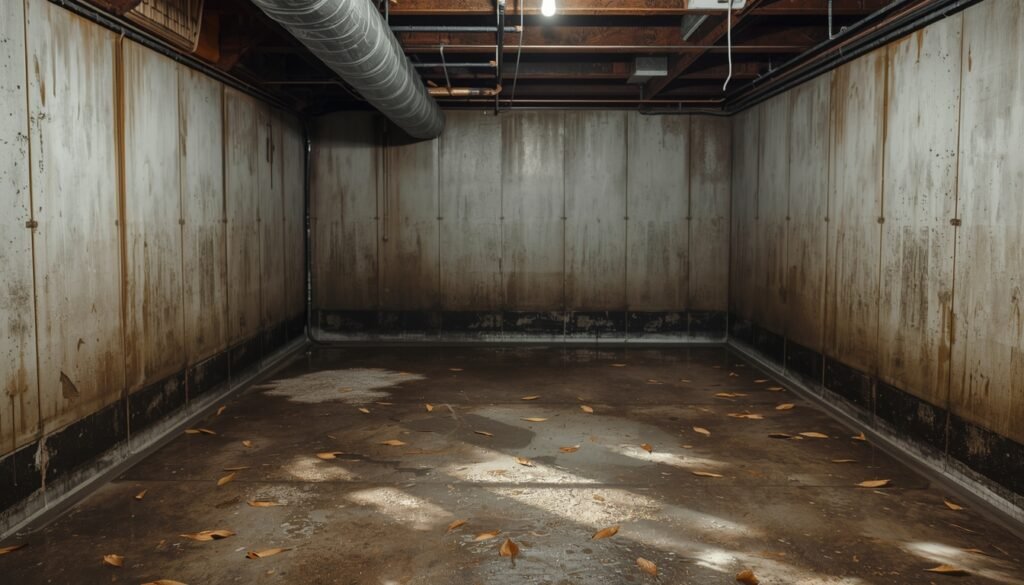
Maintaining the right humidity level in your basement is one of the most important steps in keeping the space dry, comfortable, and free from long-term damage. In most homes, basements naturally have higher moisture levels than the rest of the house because they are surrounded by soil and have limited airflow. A common issue is that homeowners are unsure what the right humidity level actually is, which makes it harder to manage the environment properly.
This article explains what humidity level a basement should be, why it matters, how to recognise when levels are too high or too low, and what you can do to maintain the ideal range. Understanding this helps you prevent problems before they start and keep your basement in good condition over time.
In general, a basement should be kept between 30 and 50 percent humidity. This range provides a balance that prevents moisture problems without making the space too dry.
Why Humidity Levels Matter in a Basement?
Humidity levels affect both the comfort of your basement and the condition of the materials inside it. When humidity is too high, moisture builds up in the air and on surfaces. When it is too low, the air can feel dry and may affect certain materials.
In most homes, high humidity is the bigger concern. A common issue is that excess moisture creates conditions where mold and mildew can grow. This typically happens when humidity rises above 50 or 60 percent and remains there for extended periods.
For example, if your basement consistently feels damp or has a musty smell, it is likely that humidity levels are too high and need to be reduced.
What Happens at Different Humidity Levels?
- Below 30 percent: The air may feel too dry, and some materials may begin to dry out
- 30 to 50 percent: Ideal range for comfort and moisture control
- Above 50 percent: Increased risk of dampness and moisture-related issues
- Above 60 percent: High risk of mold, mildew, and material damage
Many people find that keeping humidity within a consistent range is more important than hitting an exact number. Stability helps prevent sudden changes that can lead to problems.
Signs Your Basement Humidity Is Too High
- A musty or stale smell that lingers in the space
- Condensation on pipes, walls, or windows
- A damp or sticky feeling in the air
- Mold or mildew forming on surfaces or stored items
In most homes, these signs appear gradually. This typically happens when humidity builds up over time without being controlled.
For example, you might first notice a slight odor, followed by condensation or visible mold. These are strong indicators that humidity levels are too high.
Key Factors That Affect Basement Humidity
- Moisture entering through walls and floors from surrounding soil
- Poor ventilation that traps humid air inside
- Seasonal changes, especially during warmer months
- Warm air entering the basement and cooling
A common issue is that these factors often work together. In most homes, it is not just one cause but a combination that leads to higher humidity levels.
How to Measure Basement Humidity
The most accurate way to determine humidity levels is by using a hygrometer. This simple device measures the amount of moisture in the air and gives you a clear reading.
For example, if your hygrometer shows a reading of 55 percent, this indicates that humidity is too high and should be reduced. Many people find that regularly checking humidity levels helps them stay on top of the problem.
Monitoring humidity over time also helps you identify patterns, such as increases during certain seasons or weather conditions.
How to Maintain the Ideal Humidity Level
- Use a dehumidifier to keep humidity between 30 and 50 percent
- Improve airflow by keeping the space open and uncluttered
- Seal small cracks or gaps where moisture can enter
- Ensure proper drainage around your home to reduce soil moisture
For example, many homeowners find that once a dehumidifier is set correctly, it maintains a stable environment with minimal effort. Over time, this helps prevent humidity from rising again.
Common Mistakes
One common mistake is not measuring humidity at all and relying only on how the basement feels. Another is setting the humidity level too high, which allows moisture problems to continue.
Some homeowners also try to solve humidity issues with ventilation alone, which may not be effective in humid conditions. Ignoring early signs such as odors or condensation can also lead to bigger problems later.
If you want a broader overview of how basement moisture, humidity levels, and dehumidifier use all fit together, see our Complete Guide to Basement Dehumidifiers.
Final Thoughts
Maintaining the right humidity level in your basement is essential for preventing moisture-related issues and keeping the space comfortable. In most homes, keeping humidity between 30 and 50 percent provides the best balance.
By monitoring humidity levels and taking practical steps to control moisture, you can protect your basement and avoid long-term damage.