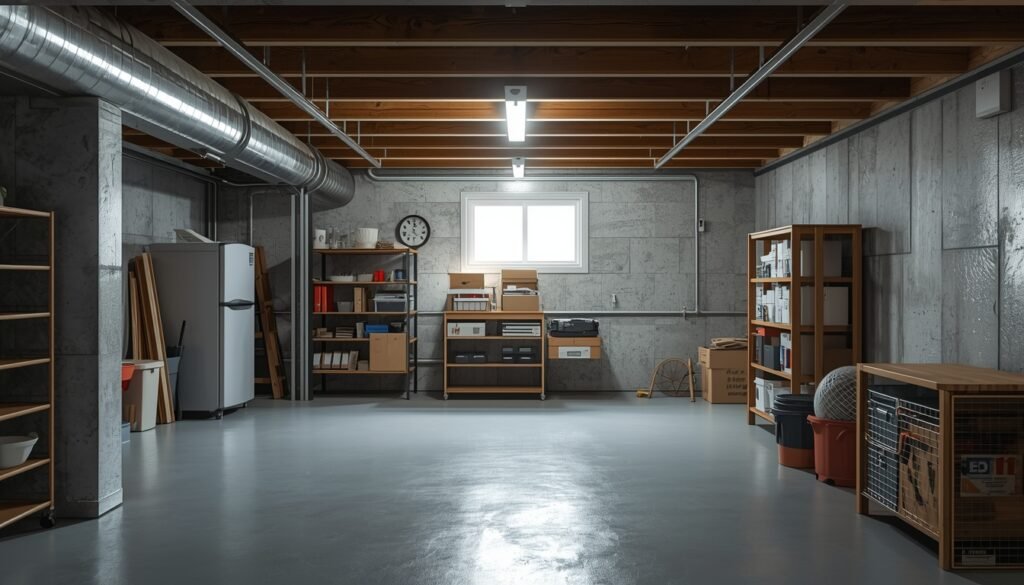
Choosing the right basement dehumidifier is essential for keeping your space dry, comfortable, and free from moisture-related problems. In most homes, basements naturally collect humidity because they are below ground level and surrounded by soil that retains moisture. A common issue is that homeowners either choose the wrong type of unit or focus on only one factor, such as size, without considering how the basement actually behaves.
This article explains how to choose the right basement dehumidifier, what factors matter most, how it affects your basement in real-world situations, and what mistakes to avoid. Understanding these points helps you select a unit that works effectively and avoids ongoing frustration.
In simple terms, the right dehumidifier is one that matches your basement’s size, moisture level, and usage so it can maintain stable humidity without running constantly.
Why Choosing the Right Dehumidifier Matters
Selecting the correct dehumidifier affects both performance and efficiency. In most homes, a properly chosen unit will reduce humidity quickly and maintain it with minimal effort.
A common issue is choosing a unit that is too small. This typically happens when homeowners base their decision only on price or physical size. The result is a unit that runs continuously but never fully removes moisture.
On the other hand, choosing the right unit means your basement reaches the ideal humidity range and stays there consistently.
What Size Dehumidifier Do You Need?
One of the most important factors is capacity, which is measured in pints per day. This indicates how much moisture the unit can remove in a 24-hour period.
In most homes, the right size depends on both the square footage of the basement and how damp it is.
- Small or slightly damp basement: 20 to 30 pint unit
- Medium or moderately damp basement: 30 to 50 pint unit
- Large or very damp basement: 50 plus pint unit
A common issue is underestimating how damp the basement is. Many people find that choosing a slightly larger unit provides better results and reduces how often it needs to run.
What Features Should You Look For?
- Built-in humidistat to control humidity levels automatically
- Continuous drainage option to avoid emptying the tank
- Auto shut-off when the tank is full
- Washable filter for easier maintenance
In most homes, these features help the dehumidifier run more efficiently and require less manual attention.
How Does Your Basement Environment Affect Your Choice?
Every basement is different, and environmental conditions play a major role in choosing the right dehumidifier.
A common issue is that some basements have poor airflow, which can limit how effectively a unit works. This typically happens when the space is cluttered or has limited ventilation.
For example, a finished basement used regularly may require a different setup than an unfinished basement used for storage. Many people find that understanding how their basement is used helps them choose a more suitable unit.
Where Should You Place a Dehumidifier?
Placement is just as important as choosing the right unit. In most homes, placing the dehumidifier in an open area allows it to circulate air more effectively.
A common issue is placing the unit in a corner or behind objects, which restricts airflow and reduces performance.
For example, placing the unit near the center of the basement often allows it to remove moisture more evenly throughout the space.
How to Get the Best Results?
- Set humidity between 30 and 50 percent
- Keep doors and windows closed while the unit is running
- Ensure the filter is clean for proper airflow
- Use continuous drainage if possible for convenience
Many people find that once the unit is set correctly, it maintains stable humidity levels with minimal effort.
Common Mistakes to Avoid
- Choosing a unit that is too small for the space
- Ignoring the level of humidity and focusing only on size
- Placing the unit in a location with poor airflow
- Running the unit inconsistently
A common issue is expecting immediate results. In most homes, it takes time for the dehumidifier to reduce moisture levels and stabilise the environment.
If you want a broader overview of how basement moisture, humidity levels, and dehumidifier use all fit together, see our Complete Guide to Basement Dehumidifiers.
Final Thoughts
Choosing the right basement dehumidifier is essential for maintaining a dry and comfortable space. In most homes, this means selecting a unit that matches both the size of the basement and the level of moisture present.
By understanding your basement conditions, choosing the right features, and using the unit correctly, you can prevent humidity problems and improve the overall environment of your home.